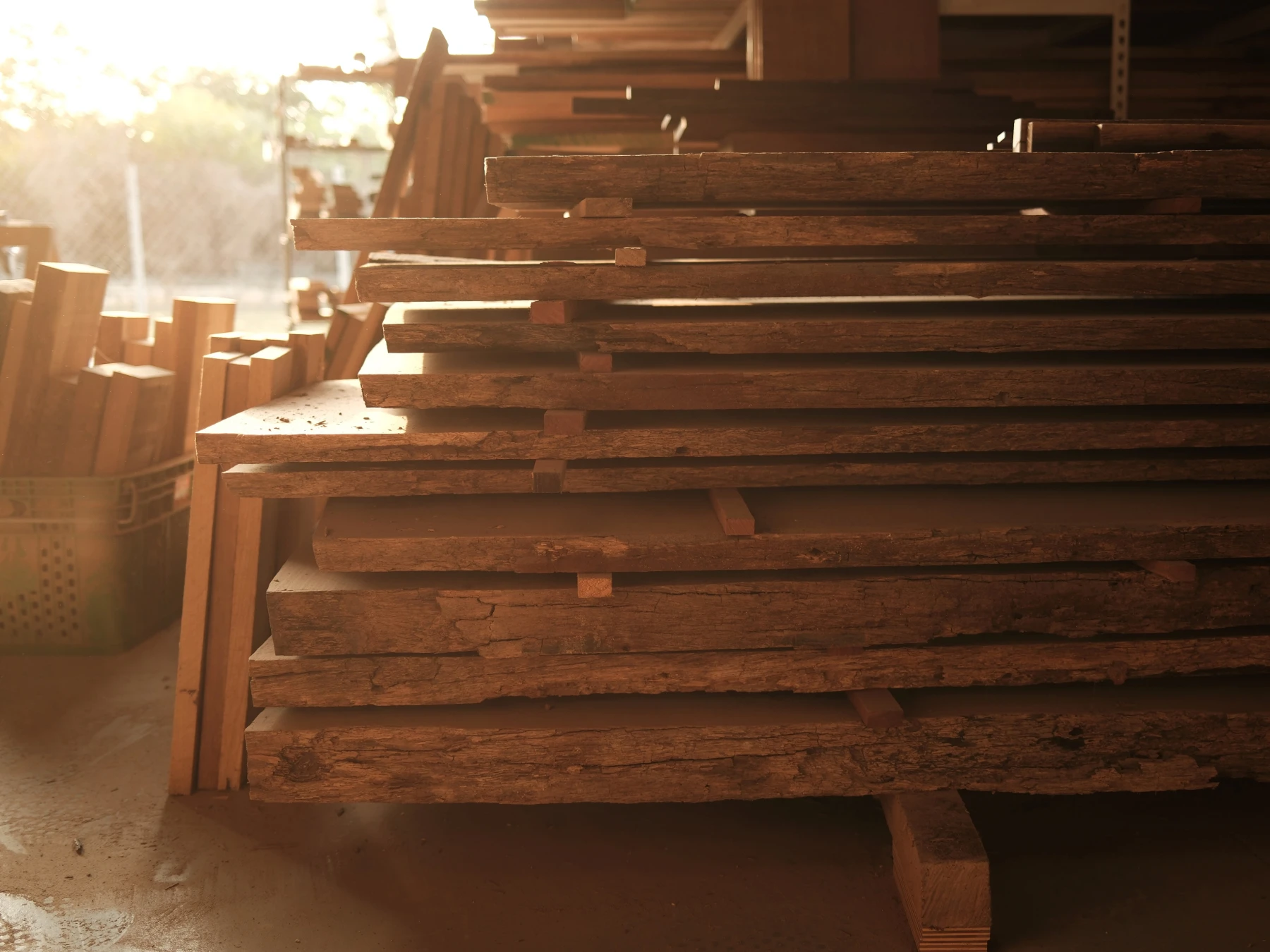

Our Mission

In everything we do at Formosus Home, we honor the dedication of those who preserve and advance culture and craft. To achieve this, we bridge age-old craft with contemporary form, allowing the world’s most masterful hands to deliver experiences and objects that are profoundly fulfilling and serene. Today, we make beautiful furniture collections that are designed to introduce warmth and elegance to the modern living space.
The Missing Masters: Reviving Taiwan’s Broken Woodworking Lineage
Taiwan boasts a rich woodworking heritage dating back to 1784, stimulated by the opening of trade with China. The subsequent migration of people from China fostered a vibrant trading network. Due to the dangerous nature of sailing across the Taiwan Strait, the worship of the sea goddess became a prominent religious practice. Consequently, the construction of temples dedicated to the sea goddess became a major catalyst for the development of sophisticated woodworking skills.
Traditional Taiwanese woodwork is generally divided into two main categories: “major carpentry” and “minor carpentry,” with minor carpentry also referred to as “small woodwork” or “fine woodwork.”
Major carpentry involves creating the structural framework of buildings, encompassing elements like the beams, columns and dougong (bracket sets) found in temples and traditional residences. Minor carpentry, in contrast, focuses on interior elements, finishing touches and furniture. This includes items such as deity altars, sedan chairs for gods, doors, windows, ancestral shrines, tables, chairs and plaques, which often showcase intricate wood carvings. It is this precise ‘minor carpentry’ that defined Taiwan’s global reputation, and which is now most at risk.


In addition to the historical roots, Taiwan’s geography offers a distinct advantage for woodworking: 60% of the country is covered by forest. This extensive forest area, coupled with significant variations in terrain, results in a rich and diverse forest composition, including both broadleaf and coniferous species, providing an excellent foundation for the industry.
Taiwan’s furniture export industry reached its peak in the mid-1980s, positioning the country among the world’s top three furniture exporters. However, the early 1990s brought a significant shift. Rising domestic production costs, coupled with the emergence of neighbouring countries offering lower labour rates, prompted many furniture companies to relocate production to China and Southeast Asia. This mass departure led to the closure of numerous family-run furniture workshops and, critically, the collapse of Taiwan’s traditional woodworking apprenticeship system.
Consequently, a substantial skill gap exists today. We observe a contrast: woodworking masters are predominantly in their 60s and older, or we see a younger generation (around 40 and below) actively striving to preserve and transmit these skills. The intermediate generation of masters is largely absent.
For us, woodworking is far more than a technical skill. It is a vessel for cultural context, capturing the historical backdrop of a people’s lives – what they valued and how they lived in a specific time and place. Given that woodworking is a field diminishing in Taiwan, our goal is to actively contribute to its preservation and innovation.
Taiwanese Core, European Stage: Why We Chose Amsterdam
Formosus Home is dedicated to preserving and modernising Taiwan’s traditional woodworking, giving it a contemporary form. While starting the brand in Taiwan seemed the intuitive choice for promoting Taiwanese crafts, we deliberately chose a different path: establishing Formosus Home in Amsterdam.
Our decision was driven by a core question: what is the most effective way to introduce Taiwanese design and craftsmanship globally?
Sustaining and evolving good design requires strong market support. We recall seeing a beautifully made wooden shelf from the 1970s, featuring a brilliant joint system. However we learned that the studio went bankrupt after just two years, leaving that single piece. This lesson stuck with us: without commercial success, even the finest design and craftsmanship cannot endure.
Europe is home to the world’s leading design brands, a place where fine craftsmanship meets a global audience. By basing ourselves in the Netherlands, we are not abandoning our roots; we are placing them on the stage they deserve. Amsterdam provides the ideal gateway to the international community, ensuring the market access needed to sustain our mission and keep these skills alive for the future.

From Fremosa to Formosus
The name Formosus is rooted in history and beauty. Derived from the Latin word for “beautiful” or “finely formed,” it is a direct nod to the historical name of Taiwan: Formosa.
The story of this name is a journey through time. In 1554, Portuguese cartographer Lopo Homem first charted an amoeba-shaped island on the world map, labeling it Fremosa. Decades later, in 1584, Spanish captain Francisco Gali sailed past and became the first to describe it in his navigation logs as As Ilhas Fermosas – “The Beautiful Islands.” While later Spanish maps referred to it as Hermosa, it was the arrival of the Dutch in 1624 that solidified the name Formosa.
From that point on, Formosa became the Western world’s enduring name for the island, a testament to the striking beauty that captivated every sailor who passed its shores.
By naming our brand Formosus Home, we are reclaiming and honouring that heritage. We are not just creating furniture; we are defining the “beautiful home,” paying homage to the island’s stunning geography and its deeply rooted, yet endangered, tradition of craftsmanship.